
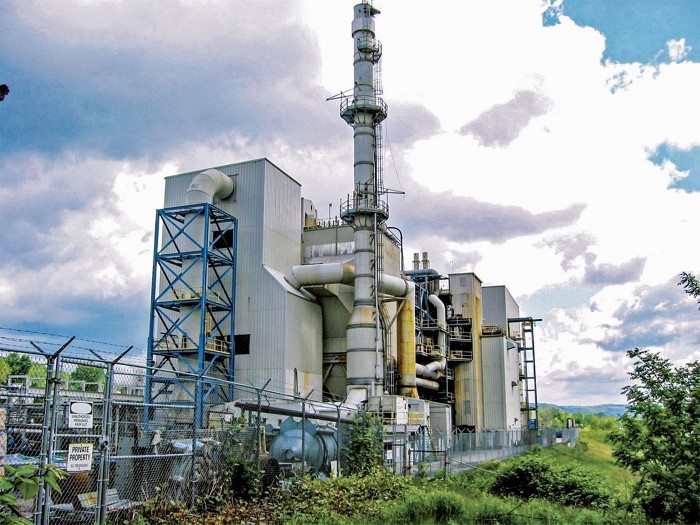
The Environmental Protection Agency (EPA) is currently reviewing the appropriate method for ultimate disposal of PFAS wastes. This is a complex issue due to the volatility, solubility, and environmental mobility and persistence of PFAS. The EPA is considering multiple disposal techniques, including incineration, to effectively treat and dispose of PFAS waste.
In a study published in the peer-reviewed journal Chemosphere, scientists at the Environmental Working Group conclude that burning, discarding and flushing waste containing the toxic fluorinated chemicals known as PFAS all contribute to environmental contamination. The study found that disposal of PFAS waste increases contamination.
According to a report by the Natural Resources Defense Council (NRDC), huge amounts of PFAS are underreported and burned. The report found that reported PFAS waste includes 39 different PFAS substances. The NRDC found data on 6 PFAS in the TRI dataset that were not labeled by the EPA as PFAS – yet they contain at least one fully fluorinated carbon atom and therefore were incorporated into their analysis – these PFAS made up around 87% of the total reported PFAS production waste.
Determining the appropriate method for ultimate disposal of PFAS wastes is a complex issue due to their volatility, solubility, and environmental mobility and persistence. The EPA is currently considering multiple disposal techniques, including incineration, to effectively treat and dispose of PFAS waste.
For more information visit:
Photo from Center for Land Use Interpretation/Creative Commons
 Group
Group 